

Academic inequalities that stem from structural factors
Regarding education, socio-economic background matters because of parents' educational level, access to educational resources (books, tutoring, workspace...), and differences in tutoring and family supervision.
A 2015 report by the Cnesco (Centre National d'Etude des Systèmes Scolaires) reveals that France is one of the OECD countries with the highest correlation between performance and socio-economic background (20% in France, 13% on average in the OECD).
We can also consider the example of the German system, which steers pupils towards different educational specializations at a very early age. Children from privileged classes are over-represented in higher education.
Disparities are even more apparent at the territorial level, with local and national policies on resource distribution and private schools widening the gap. In a 2023 report, France Stratégie demonstrated that social origin has the greatest impact on educational trajectories: “Even at equivalent school levels, pupils will not have the same career paths depending on their origin”, argue analysts J. Barasz and P. Furic.
In the UK, a 2017 audit of racial disparities confirmed that discrimination and other racial prejudices are a widespread phenomenon in their school system. Unequal treatment is noticeable within school systems, particularly towards children from ethnic minorities, with private schools reinforcing social inequalities by taking in a high proportion of the country's future leaders.
Cultural and linguistic biases that occur throughout the learning process accentuate the differences in how students are being treated. Teaching is oriented towards a dominant culture, valorizing certain knowledge and languages, and unequal access to digital tools and general culture. Major inequalities persist in foreign language learning.
In Belgium, the language of instruction is a factor of exclusion for pupils who do not master the dominant school language of their region, despite the ratification of the International Convention on the Rights of the Child, which states in Article 2 that all children are equal.
Despite several initiatives to reduce these systemic inequalities, the disparities between public and private institutions persist.
Private schools: a privilege for the privileged
In France, 1 pupil in 6 attends a private school. Behind Spain and Malta, France is home to 14% of private schools. These schools have little or no social diversity, favoring the already privileged upper classes.
According to Marie Duru-Bellat, a sociologist specializing in educational issues, many parents who are drawn to private schools point out that one of the main reasons for this choice is the lack of replacement teachers in the public sector, where nearly 15 million hours a year are not guaranteed in France. Private schools are all the more attractive for the freedom they have in terms of recruiting teachers, organizing shifts, providing replacements, and choosing options, which public schools do not have.
Teacher strikes and social inequalities: the teacher shortage, a European issue.
The lack of structural support and uncertain conditions in the public sector are leading to strikes, reflecting deep discontent among teachers. These repeated mobilizations often reinforce the sense of discouragement and abandonment in the profession. On the contrary, the private sector is relatively unaffected by these social struggles: the autonomy of private schools enables them to manage crisis situations better.
In the Education and Training Monitor 2024 report, many European countries are facing a growing lack of teachers: a growing disinterest in the profession, marked by unattractive salaries, work overload and professional instability. As a comparison, early-career teachers in Germany earn twice as much as French teachers in the same position. In France, the situation is becoming worse: in 2024, 3,000 positions were not filled in the competitive examinations (concours), amplifying the educational crisis in the public sector.
Social inequalities reinforced by the State?
In France, 75% of private education is publicly funded. In contrast, the British government aims to strengthen public finances and support state schools, which provide 94% of all pupils.
Since January 1, 2025, the UK's 2,500 private schools have been charging 20% VAT on tuition fees. The government hopes to recover £460 million books in 2024-2025 and £1.51 billion the following year.
Schools under pressure: when the school system crushes children, governments remain silent
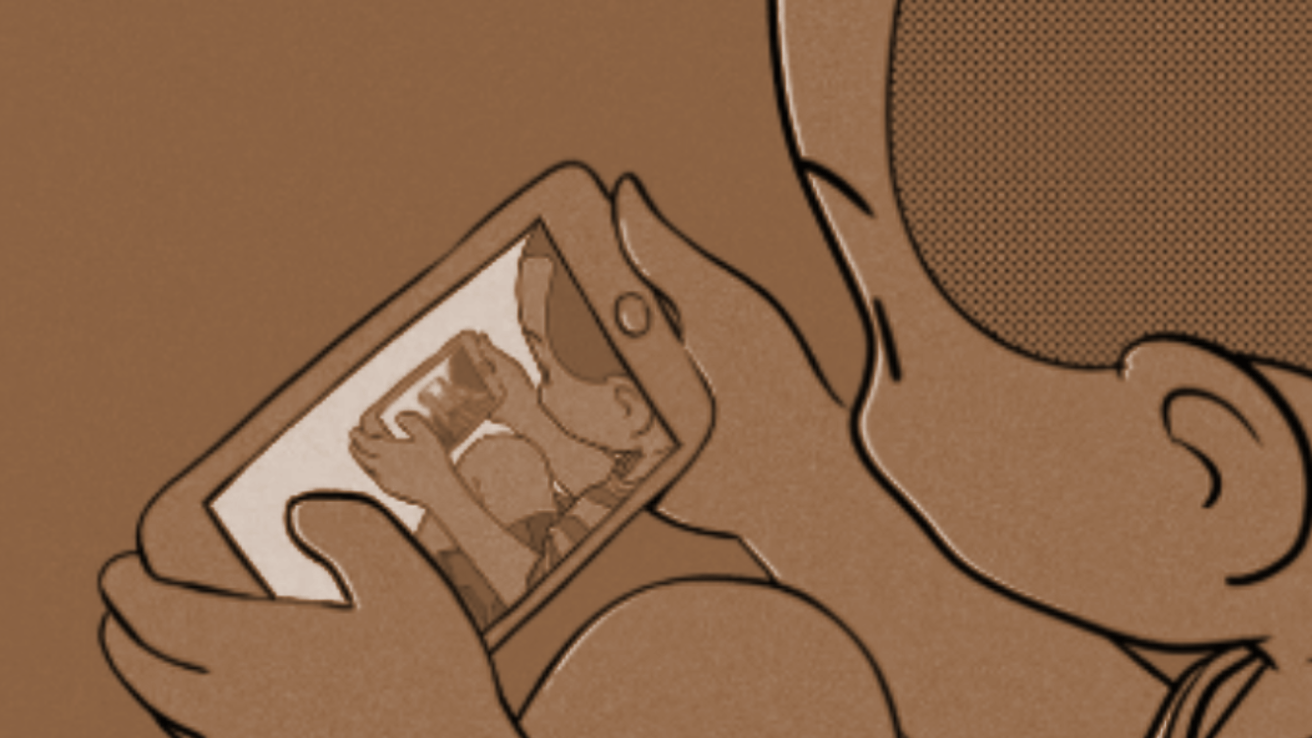
While the mental health of children and students is deteriorating, schools are often at the core of the problem. Santé Publique France has revealed that suicide attempts, and suicidal ideation are on the rise among young people, with suicide remaining one of the leading causes of death. Many cases are linked to harassment, stress or social isolation. But what are the causes of this unease, which can sometimes turn into a phobia?
Parental demands, relationship difficulties, lack of self-confidence... The most significant cause would be the way the school system works: fear of results, competition between children, excessive workload. These factors lead to stress, anxiety, and depression at abnormal levels. Solution: medication or government action?
In response to this situation, measures have been taken at European level. In 2023, the European Commission presented a plan for mental health, including better protection against cyberbullying.
Harassment at school: a persistent reality
And on top of this uneasiness comes harassment. Today, harassment no longer ceases at school, but continues well beyond the schoolyard, with new technologies.
Harassment is gendered, and is more common among boys than girls. There are differences between countries, due to factors such as income, wealth, or gender inequality. In Lithuania, for example, harassment is much higher.
In some cases, this harassment ends in suicide, even though the authorities in France, Spain and Italy have been warned, without any action on their behalf. It's a question of health and human rights: governments must take responsibility, and all those who witness violence must protect children, both offline and online.
On the Old Continent, educational inequalities are a reflection of social, territorial and cultural disparities. Private schools reinforce these disparities, while the public sector suffers from a lack of resources and teachers. School pressure and harassment aggravate student uneasiness. Faced with these challenges, governments are struggling to provide effective solutions, despite the budgets allocated. Should we rethink the Western model and draw inspiration from Asian systems?
By Farah El Bahoua, Ines Khalifa et Noémie Fraschilla
To go further on our March file dedicated to educational system, you can read our International relations and Culture sections’ articles on our blog.
Follow MINERVIEWS