

In 2019, it was estimated that one in seven adolescents experiences mental disorders, amounting to an estimated 166 million adolescents (89 million boys and 77 million girls) globally, according to a UNICEF survey. While climate crisis, global events, and other large-scale challenges play a role, this article will focus on the social stressors.
Social Media
It is perhaps no surprise that this increase in mental health issues among teens has coincided with the rise of the golden era of social media. More specifically, in Europe, a WHO report covering 45 countries found that one-third of adolescents felt nervous or irritable several times a week, with 1 in 4 reporting frequent sleep problems.
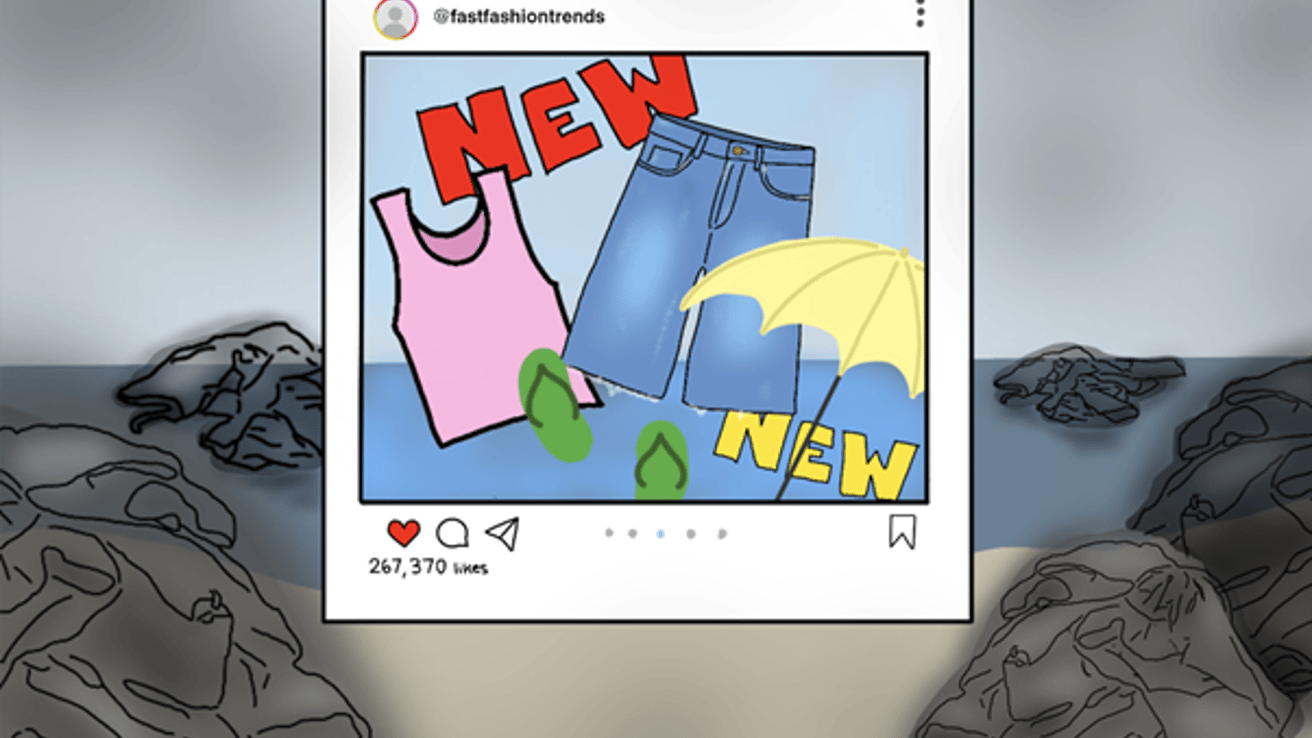
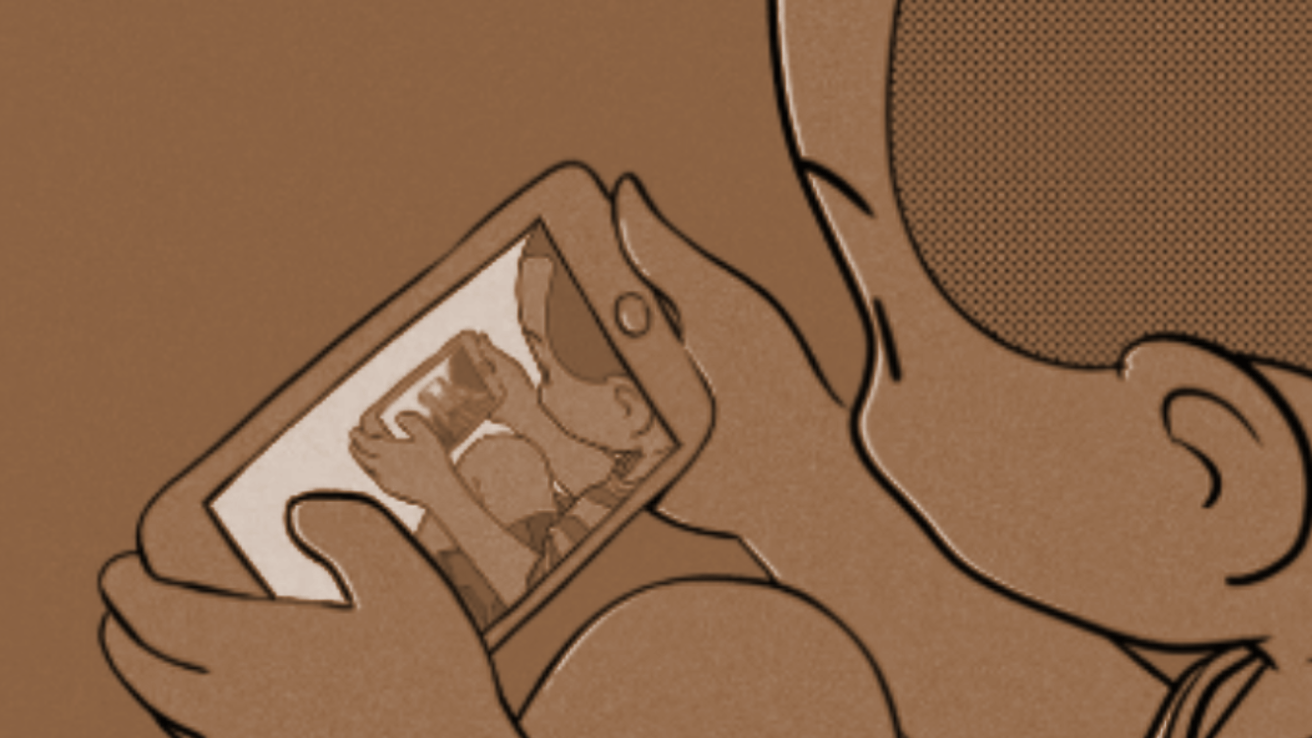
Yet, one does not need reports to notice the impact of social media on how we view the world — and most importantly, ourselves. For many young people, creating a perfect “Instagram” image has become more important than deeply cultivating their own identity. Research shows that the relationship between social media use and self-esteem is complex but significant: higher levels of engagement, particularly with appearance-focused content, are often linked to lower self-esteem. These effects are especially pronounced when adolescents compare themselves to others or measure their worth by social approval, likes, and curated images — mechanisms deeply embedded in platforms like Instagram.
What about success?
While 68% of adolescents in Europe and Central Asia report high family support, this number has declined over time, particularly among girls, possibly due to rising school pressures and shifting family dynamics. At the same time, the pursuit of well-paid, “successful” careers has become an ever-moving target. Society’s rigid definitions of success and failure exacerbate anxiety: no one wants to be considered a “loser,” and this pressure makes it increasingly difficult for young people to explore and define their own identity.
The Impact on Personal Identity
Adolescence is a crucial period for developing the self and forming an identity, including commitments, personal goals, motivations, and psychosocial well-being. But what happens when this process is disrupted by social stressors? Today, adolescents face constant pressures online, from curating flawless images to seeking validation through likes and comments. Research suggests that such an environment can interfere with the normal process of identity formation. For instance, one study found that over 60% of adolescents felt pressured to present themselves in ways that do not reflect their true personality, making it harder to explore and consolidate their own values, goals, and sense of self.
In a world dominated by social pressures, curated images, and narrowly defined notions of success, it is more important than ever to recognize the invisible prison that confines today’s youth — and to ask ourselves: what if all this pressure makes us forget what it truly means to have a personal identity, because being ourselves no longer seems “useful”?
By Marianthi DIMOU
To go further on our dossier of the month dedicated to prisons, consult the articles of our sections culture and internationals relations on our blog.
Follow MINERVIEWS