

Art and literature have always been mediums through which artists and writers express marginal opinions. Abstract art forms such as figures of speech are elements that dissimulate content that society would not tolerate. The questioning of identity is a well-known theme in art, but when it comes to sexuality or gender, it becomes a taboo and art is condemned to be kept away from the public eye.
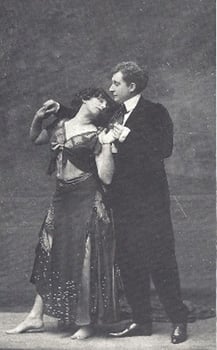
The opponents of the publicisation of queer art complain about the explicit elements of such a deviant behaviour and advocate that they be euphemized in order not to provoke the audience. Andy Warhol has seen some of his early drawings rejected from an exhibition for the ridiculous reason that they appeared “too openly gay”. The “provocative dimension” of queer art is the principal argument brought about by detractors. Sadly, most artists and writers are reduced to that aspect. The brilliant writer Colette openly identifies as bisexual and mentions relationships with both men and women in her novels. Her “great intelligence and deep sensitivity” were at first completely overlooked, until she finally got recognized for her “great talent in terms of style”.
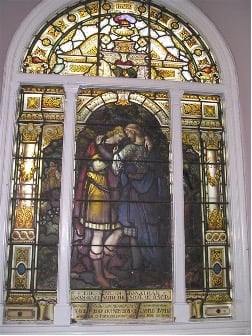
Queer art is tolerated only when it is so abstract that the public does not understand the implied message, apart from queer people themselves who recognise the “various codes invented to refer to queerness”. Critics tends to deliberately misinterpret a piece of art that obviously represents homosexuality. A close relationship between two men is frequently seen as nothing more than a powerful friendship that bypasses the potential of a same-sex relationship. This denial is also found in the biblical interpretation of the relationship between David and Jonathan. Scholars went as far as redefining the notion of love as “a covenantal, close connection”, “a friendship higher and better than most”.
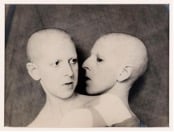
As for the appreciation of queer art, this happens when the themes of sexuality and gender come to society's attention. This is due to the liberalisation of morals, and the rise of gender studies, that brought former unrecognised artists to the forefront. Claude Cahun’s novel Disavowals was greeted with hostility back in 1930, but unexpectedly “received a rush of attention as gender issues were gathering steam around the world”. As a result, Cahun’s very criticized sentence “Neuter is the only gender that always suits me” had become a motto, inspiring a Parisian street name, or Dior’s androgynous collection.
Yet, not all artists and writers want their work exposed to a wide audience and prefer to keep them personal. Some have to “self-censor” themselves either by gatekeeping their own work or by destroying it, like the fashion photographer George Platt Lynes who burned the majority of his prints and negatives portraying nude men. As for the artists who kept it a secret, their work is generally published posthumously. In 2022, the British painter Duncan Grant’s art was discovered and exposed publicly as “a secret collection of explicit erotic drawings”.
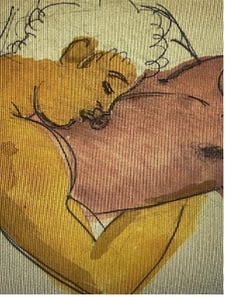
The spontaneous exhibition of art without the author’s consent seems controversial as it results in “outing” people who did not get the opportunity to do so in their time, thus violating their privacy. Since the moral liberalization of the 80s, the safe space for queer art has developed in parallel with the growing social approval of sexual and gender identities.
By Myrtille Praire and Agathe Drouot- -Chary
To go further on our June file dedicated to LGBTQIA+ rights, you can read our Society and International Relations sections’ articles on our blog.
Follow MINERVIEWS